We use cookies to make your experience better.
To comply with the new e-Privacy directive, we need to ask for your consent to set the cookies. Learn more.

How to Store Poppers Safely and Extend Their Shelf Life
- Megasexshop
- May 9, 2025
- 0views
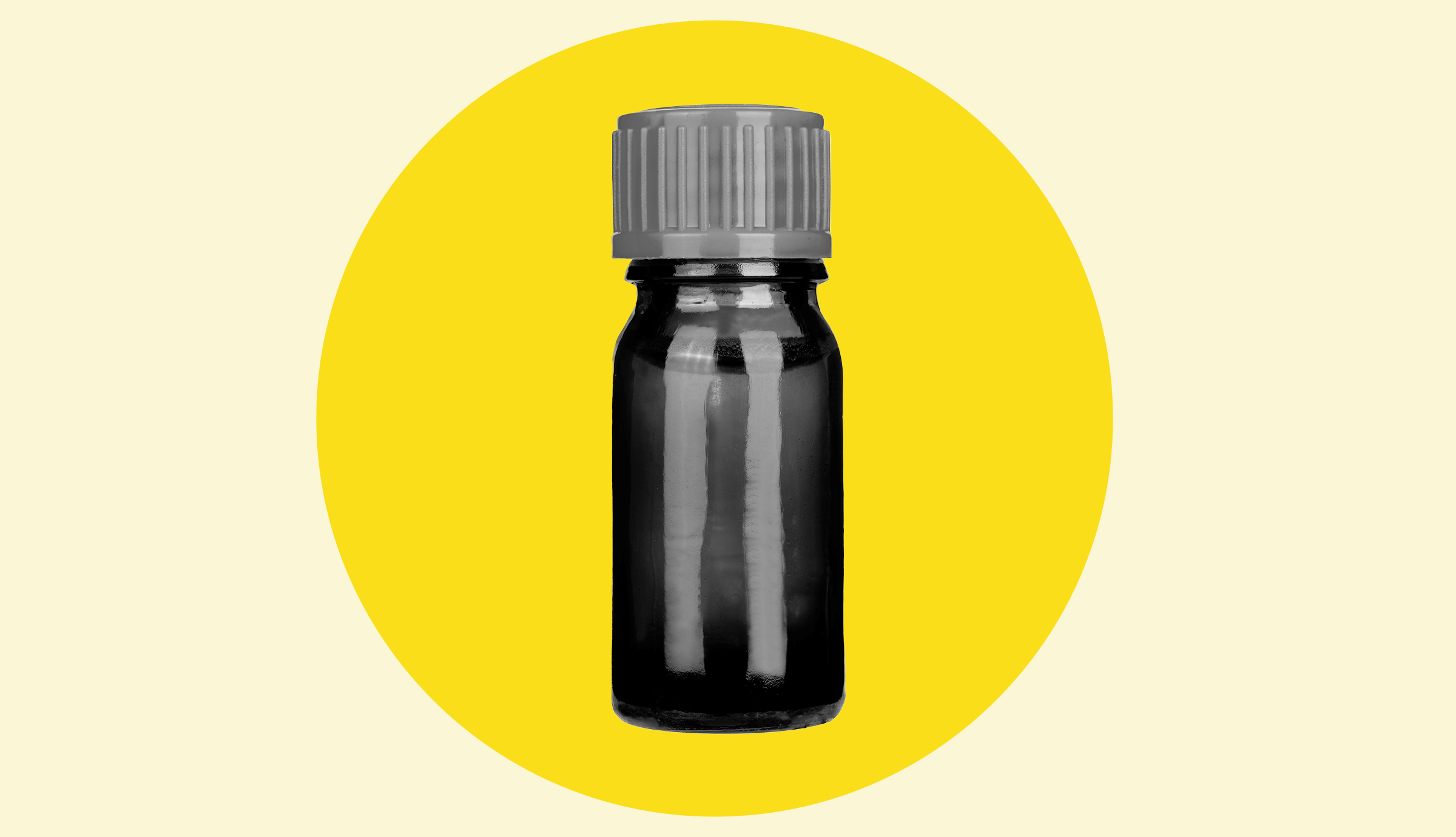
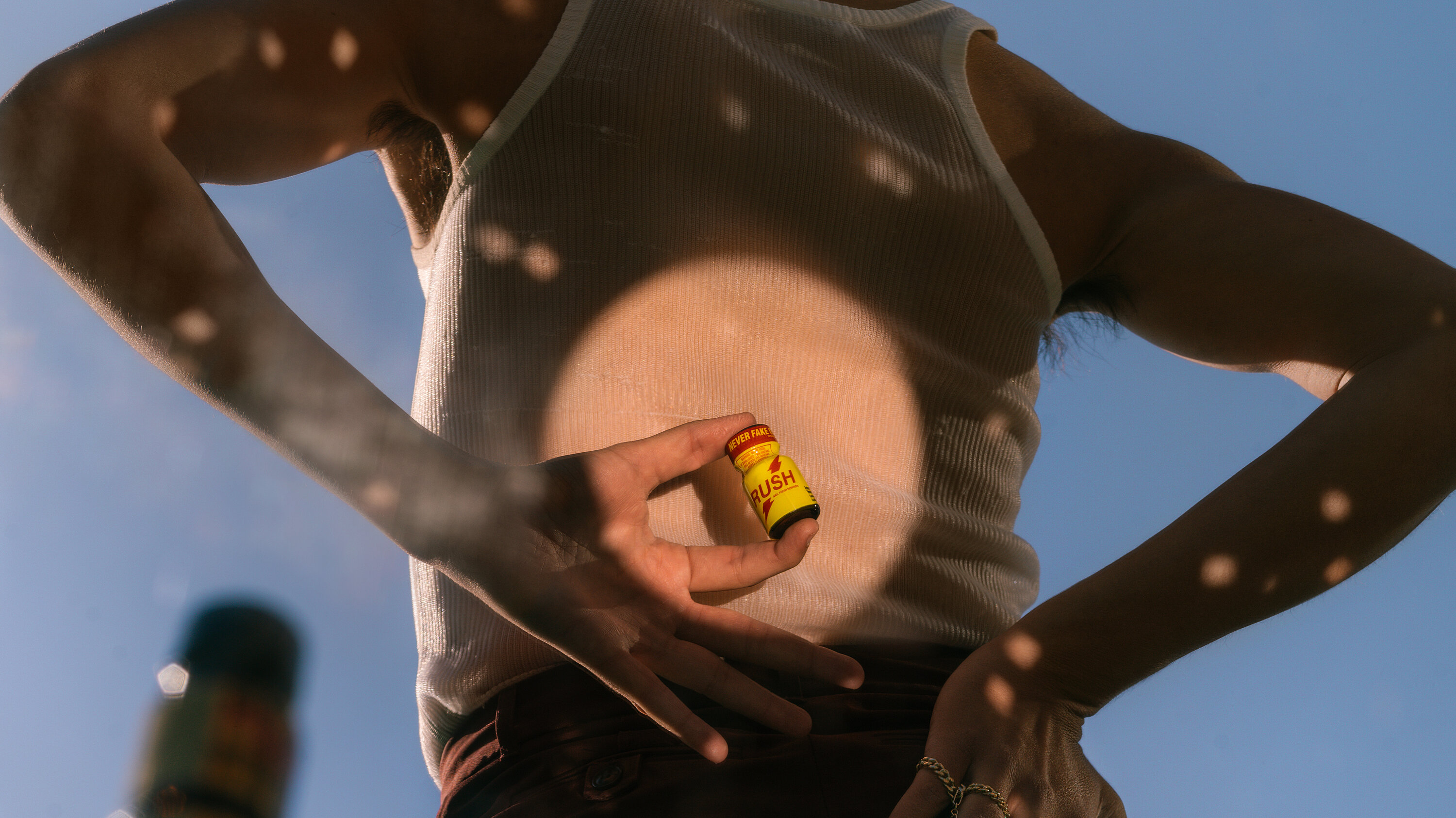
Learn how to store poppers safely and extend their shelf life with simple tips on temperature control, sealing, and handling. Keep your poppers fresh, potent, and safe for longer use.
Click Read More and find out more with our help Poppershero team
Poppers also known as alkyl nitrites , are popular for their euphoric effects, especially in nightlife and sexual settings. However, because they are volatile chemical compounds, improper storage can cause them to degrade quickly, lose potency, or even become dangerous. If you want to get the most out of your poppers and use them safely, knowing how to store them properly is essential.
In this article, we’ll explore the best practices for storing poppers to keep them fresh, effective, and safe for longer.
What Are Poppers Made Of?
Poppers typically contain alkyl nitrites (such as amyl, butyl, or isopropyl nitrite), which are liquids that evaporate quickly at room temperature. This volatility is what gives poppers their fast-acting effects — but it's also what makes them sensitive to heat, air, and light.
Why Proper Storage Matters
Improper storage can lead to:
-
Decreased potency (weaker effects)
-
Faster evaporation
-
Oxidation, which can cause a harsh smell and irritating side effects
-
Health risks if the chemical degrades
-
Wasted money due to spoiled product
Taking a few simple steps to store your poppers correctly can make a big difference in both quality and longevity.
1. Store Poppers in a Cool, Dark Place
Heat accelerates chemical breakdown. Always store your poppers away from:
-
Direct sunlight
-
Radiators
-
Electronic devices
-
Hot bathrooms
Ideal temperature: Between 5–15°C (41–59°F). A cool drawer or closet away from light is a good choice.
2. Refrigerate or Freeze for Long-Term Storage
Want to store poppers for weeks or months without losing potency? Refrigeration is the best method.
-
Fridge (Best Option): Store in an airtight container away from food. This slows evaporation and degradation.
-
Freezer (Advanced Option): Poppers can be stored in the freezer only if sealed tightly. The cold won’t damage them, and it greatly extends shelf life.
-
Never freeze an open or loosely capped bottle — the air exposure can cause condensation and contamination.
Also using a ziplock bag or a small jar can help to isolate the poppers from food odors and moisture.
3. Keep the Bottle Tightly Sealed
Evaporation is your worst enemy. Every time you open the bottle, you expose it to air.
Tips:
-
Open briefly and close immediately after use.
-
Keep the cap clean and dry to ensure a tight seal.
-
If the bottle cap becomes loose or damaged, transfer the contents to a small glass dropper bottle with an airtight lid.
4. Avoid Frequent Opening and Closing
Every time you open the bottle, oxygen and moisture can enter, leading to:
-
Faster evaporation
-
Degraded quality
-
Reduced shelf life
Solution: Use smaller bottles if possible, and consider a "session bottle" for regular use while keeping the main bottle sealed in storage.
5. Keep Poppers Dry
Moisture exposure can ruin poppers by causing hydrolysis (a chemical reaction with water), which degrades their quality and smell.
Avoid:
-
Bathrooms with high humidity
-
Leaving the bottle near sinks or showers
-
Contact with wet hands
Use dry hands and a dry cloth to handle the bottle if needed.
6. Pay Attention to Expiration Dates
While poppers don’t usually have strict expiration dates, most maintain peak potency for:
-
1–3 months at room temperature
-
3–6+ months in the fridge or freezer
If the smell changes significantly or it feels harsh on inhalation, it's time to replace the bottle.
Final Thoughts
Poppers are delicate products, but with proper care, you can make a single bottle last far longer, while preserving potency and safety. A little attention to temperature, air exposure, and moisture can save you money and improve your experience.
Whether you’re a casual user or a frequent fan, treat your poppers like the chemical products they are , store them smart, and enjoy them responsibly.
Related posts

- Elvis Plesky
- Jan 19, 2026
- 0views
Scent, Atmosphere and Mood: The Power of Ambient Aroma Enhancement
An editorial look at how ambient aromas and room odorizers shape mood, anticipation and environment. Focus on sensory science, safe use as leather cleaners or space fresheners, and the ritual of preparation for intimate spaces.

- Nana G.
- Dec 29, 2025
- 0views
What to Do If You Feel Over-High From Poppers
Do you feel like the poppers hit you too hard? Learn how to manage it calmly and safely – a practical harm reduction guide.
- Megasexshop
- May 12, 2025
- 0views
Poppers for Couples: What to Look for When Buying Together
Looking for the perfect popper to enhance your intimate experiences as a couple? Check out our top 5 picks, from mild to strong formulas ,search for the one ,and enjoy heightened sensations and deeper connection.Click Read More and find out more with our help Poppershero team
Recent posts
3
What to Expect Using Poppers for the First Time May 7, 2025
4

Do Poppers Still Belong in 2026's Nightlife? May 6, 2025
5