We use cookies to make your experience better.
To comply with the new e-Privacy directive, we need to ask for your consent to set the cookies. Learn more.

Do Poppers Still Belong in 2026's Nightlife?
- Panos Karagiannis
- Poppers
- May 6, 2025
- 114views
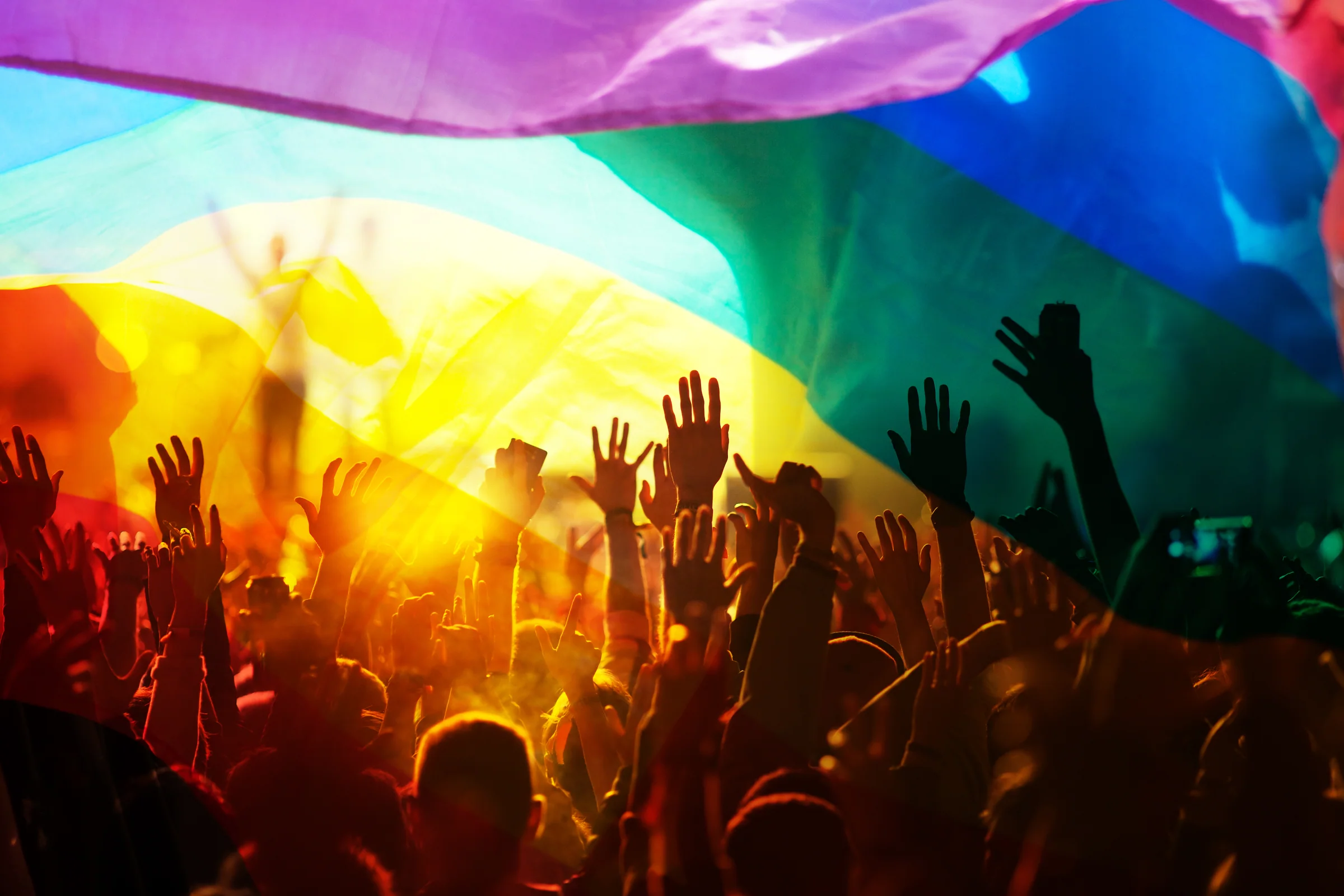
In a nightlife landscape increasingly shaped by wellness culture, digital escapism, and evolving attitudes toward substance use, one curious question lingers: Do poppers still have a place in the party scene of 2026?
Poppers have been a staple in club culture for decades, known for their fast-acting, euphoric rush and popularity in LGBTQ+ nightlife. Their effects—relaxation of smooth muscles, head rush, and temporary euphoria make them particularly appealing in environments that celebrate freedom, sensuality, and shared physicality. But as nightlife evolves, the place of such substances is being reevaluated.
A Legacy Rooted in Queer Culture
To understand poppers in 2026, we have to acknowledge their history. Originally developed as a heart medication, poppers found new life in the 1970s disco scene, where they were embraced for their psychoactive effects and disinhibition-enhancing qualities. For many in the LGBTQ+ community, they became symbols of sexual liberation, woven into the fabric of club culture and intimacy.
While today's queer spaces are more diverse than ever, many still embrace the traditions and tools that once defined underground resilience and expression—including poppers. However, there's now a stronger dialogue around informed and safe use, thanks to community-led harm reduction efforts.
Safety, Legality, and Changing Attitudes
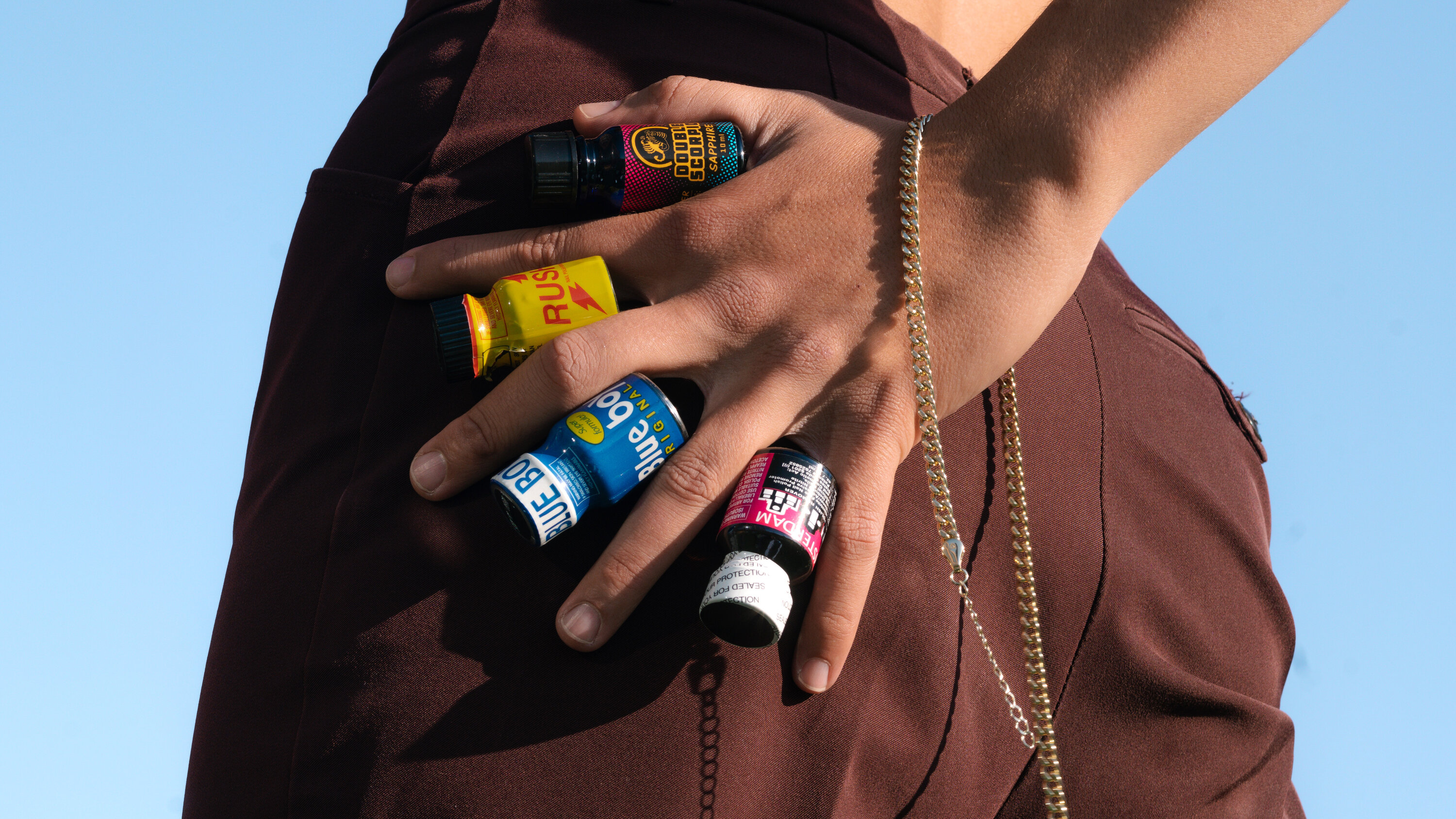
The legality of poppers varies by region, and that legal ambiguity has fueled both curiosity and concern. In some places, they are sold as "room deodorizers" or "leather cleaners" to sidestep restrictions, leading to confusion and inconsistent regulation. With growing scrutiny around recreational substances, some nightlife venues are tightening policies, leading to less visible (though not necessarily reduced) use.
Moreover, younger generations are approaching substances differently. Gen Z’s nightlife habits tend to reflect a more health-conscious ethos. Sobriety, moderation, and mental wellness are playing larger roles in nightlife choices, and for many, the allure of synthetic highs is losing ground to mindfulness and connection.
Despite these shifts, poppers haven’t disappeared. They're still discreetly shared on dance floors, in backrooms, and at private gatherings. But they're no longer the cultural centerpiece they once were. In 2025, their presence feels more nostalgic than essential—like a vestige of a wilder, rawer time that some remember fondly, and others have moved beyond.
The modern club experience is more fragmented: VR raves, sober parties, and hybrid wellness-club spaces now sit alongside traditional clubs. In this new ecosystem, poppers coexist—but they no longer dominate.
The Verdict
So, do poppers still belong in 2026 nightlife? The answer is yes—but differently. They remain part of the scene, especially in queer and sex-positive spaces, but they're no longer universal symbols of rebellion or freedom. Their role has become more niche, contextual, and mindful.
As nightlife continues to evolve, perhaps the more fitting question is not whether poppers belong—but how we can foster inclusive, informed, and respectful spaces where all forms of expression (and experimentation) are met with care.